
The Importance of Stack Cleaning in Multi-Story Buildings
Introduction:
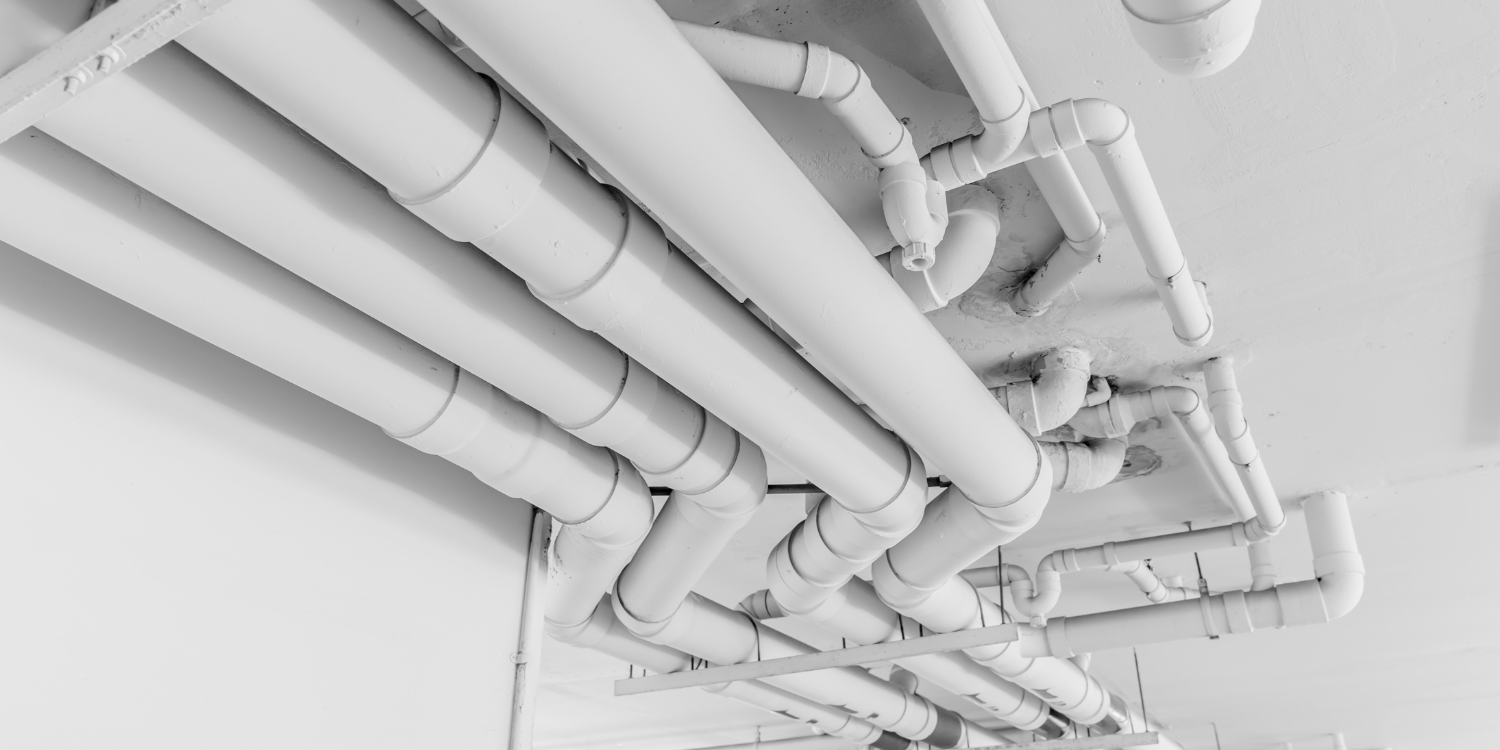
In the towering heights of multi-story buildings, there exists a crucial component often overlooked: the stack. These vertical conduits serve as the lifelines for ventilation, heating, and exhaust systems, ensuring a comfortable and safe environment for occupants. However, the necessity of maintaining clean stacks is frequently underestimated. In this article, we'll explore the significance of stack cleaning in multi-story buildings and why it's essential for the well-being of both the structure and its inhabitants.
The Role of Stacks in Multi-Story Buildings:
Stacks are vertical passages designed to facilitate the movement of air, gases, and other substances throughout a building. They serve several vital functions, including:
Ventilation: Stacks provide a means of removing stale air and odors from enclosed spaces, promoting fresh air circulation and indoor air quality.
Exhaust Systems: In commercial and industrial settings, stacks are integral to exhaust systems, expelling fumes, smoke, and pollutants generated by various processes.
Heating and Cooling: Stacks may also be part of heating and cooling systems, allowing for the distribution of conditioned air to different levels of the building.
Given their critical role, the proper maintenance of stacks is paramount to ensure optimal performance and safety.
The Importance of Stack Cleaning:
Over time, stacks can accumulate debris, dust, soot, grease, and other contaminants, impeding airflow and compromising efficiency. Here's why regular stack cleaning is essential:
Fire Safety: Accumulated grease, soot, and debris in exhaust stacks pose a significant fire hazard, especially in commercial kitchens and industrial facilities. Regular cleaning helps mitigate this risk by removing flammable materials and reducing the likelihood of ignition.
Air Quality: Dirty stacks can contribute to poor indoor air quality, leading to discomfort, respiratory issues, and health hazards for occupants. By removing contaminants, stack cleaning promotes a healthier and more comfortable environment, particularly in buildings with centralized ventilation systems.
Energy Efficiency: Clogged stacks can obstruct airflow, forcing HVAC systems to work harder to maintain desired temperature levels. This increased workload results in higher energy consumption and utility costs. By keeping stacks clean, building owners can optimize energy efficiency and reduce operational expenses.
Compliance and Regulations: Many jurisdictions have regulations and standards governing the maintenance of ventilation and exhaust systems in commercial and industrial buildings. Failure to adhere to these requirements can result in fines, penalties, and legal liabilities. Regular stack cleaning helps ensure compliance with relevant codes and regulations, keeping buildings safe and up to standard.
The Stack Cleaning Process:
Professional stack cleaning involves thorough inspection, removal of accumulated debris, and disinfection as necessary. Trained technicians utilize specialized equipment such as brushes, vacuums, and high-pressure water jets to effectively clean the interior surfaces of stacks without causing damage.
Conclusion:
In multi-story buildings, stacks play a crucial role in maintaining indoor air quality, promoting safety, and enhancing operational efficiency. Neglecting stack cleaning can lead to a myriad of issues, including fire hazards, poor air quality, increased energy consumption, and regulatory non-compliance. By prioritizing regular stack cleaning, building owners can safeguard their investment, protect occupants, and ensure a healthier, safer, and more comfortable indoor environment.
Book An Appointment Today!